Locksmith in Burlington, OntarioLocksmith in Burlingtonfor homes, shops and offices
Homes and businesses in Burlington have their own kinds of lock trouble, and we have built the company to handle both without treating either as an afterthought. Deadbolts, rekeys, high-security cylinders, storefront hardware, master key systems and safes, plus vehicle keys when a household needs one cut.
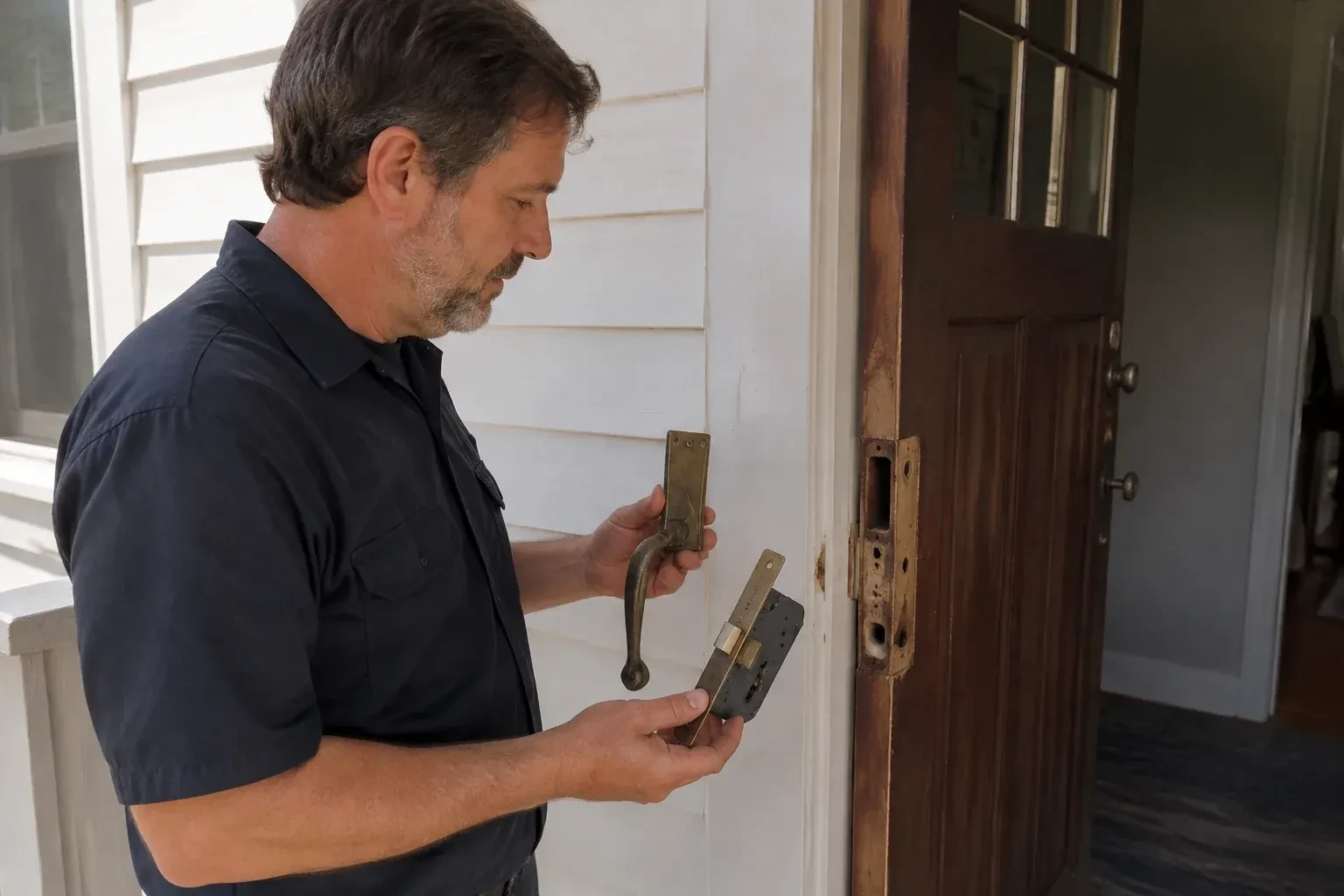
Older houses in Burlington get a locksmith who respects them. We work around original trim, keep period hardware where it can be kept, and match finishes when something new is needed so the door still looks like it belongs to the house. Modern security can sit behind a hundred-year-old face; that is a matter of choosing parts carefully.
— Bayview Lock Services
Clear about who can get inAfter any rekey or replacement we tell you exactly which keys work and how many copies exist. Key control is the point, and you should have the full picture.
Careful with the buildingWe protect floors and finishes, work around your day where we can, and treat a shop or office with the same care as a home.
The choice explained in your termsRather than product names, we talk about what each option means for you: who has access, how it copes with weather, how easy it is to change later.
Hours
HoursOpen 24/7
Nights and weekendsSame fees
In business27 years
VisitsOn-site assessment
Locksmith services
Help with locks and keys
The lock services offered in Burlington are grouped the way a door is used. Getting back in when you are locked out. Deciding who holds a working key. Upgrading the hardware so the door resists more than a casual try. Keeping commercial entrances working. Opening and maintaining safes. Each is described below.
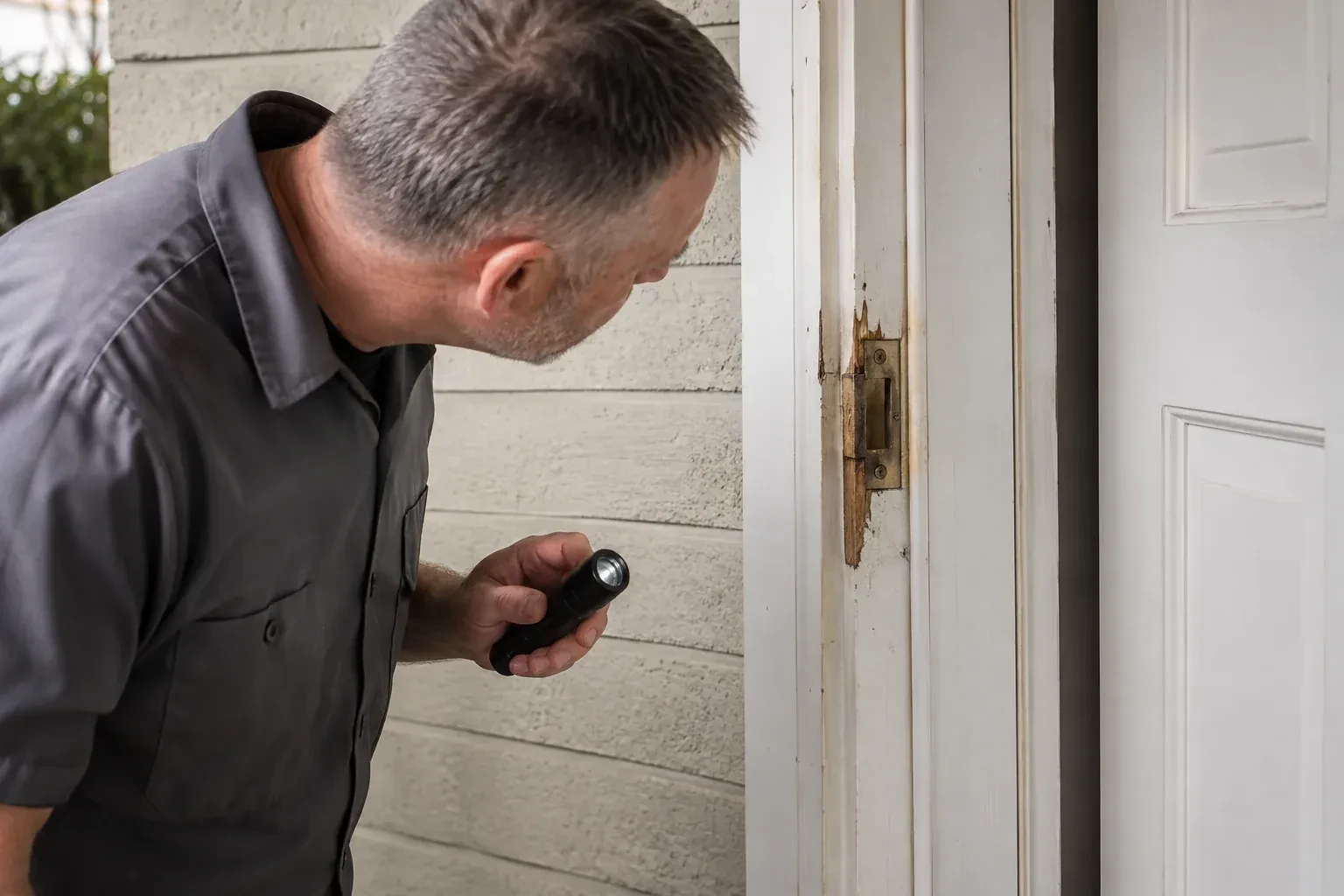
Doors that have been kicked, pried or drilled rarely lock cleanly afterwards. The repair pages explain how we straighten or replace the strike, rebuild the frame edge, swap the damaged cylinder and, when the door itself is beyond saving, secure the opening until a replacement arrives.
About 47% of homes in Burlington were built in 1980 or earlier, according to the 2021 Census.
Homes of different generations tend to have different key habits. Older houses may have keys copied many times; newer ones may still have contractor keys about. A locksmith in a mixed area asks about both before recommending anything.
50%
Single-detached houses make up about 50% of homes in Burlington (2021 Census).
In areas of mixed housing, landlords may own a house here and a few units there. A locksmith can put all of it under one master system so the owner carries one key while each tenant's key opens only their own door.
My lock is the homeowner-rekeyable type but the working key is lost. Can it still be reset?
Yes. Those cylinders let an owner change the key with a small learn tool, but only while a working key is in hand. Without one, a design such as Kwikset SmartKey is removed and placed in its own reset fixture, returning it to a blank state; other cylinder types are rekeyed by their own method instead. A new key is then set and the lock goes back on. It is a few extra minutes rather than a replacement.
How is rekeying different from replacing the lock?
Rekeying keeps your existing deadbolt or handle set and gives it a new key, commonly by changing the pins inside, though some cylinders reset a different way. Replacing removes the whole lock or cylinder and fits new hardware. Rekeying suits locks that are in good condition and simply need a fresh key. Replacement is the better call for hardware that is worn or damaged, built to a low grade, on a keyway the other doors cannot share, or due for a change of style or a keypad.
Can I stop people copying my house key?
A restricted keyway helps with that. The key blanks are controlled by the manufacturer and its authorised locksmiths, so a copy generally requires the card, record or authorisation the program uses, cutting down on copies made at an ordinary kiosk. It suits homes where keys are lent to cleaners, contractors or tenants. The cylinders are fitted in the normal way, and you keep the key card safe because it is what future copies depend on.
What is tested before the keys are handed over?
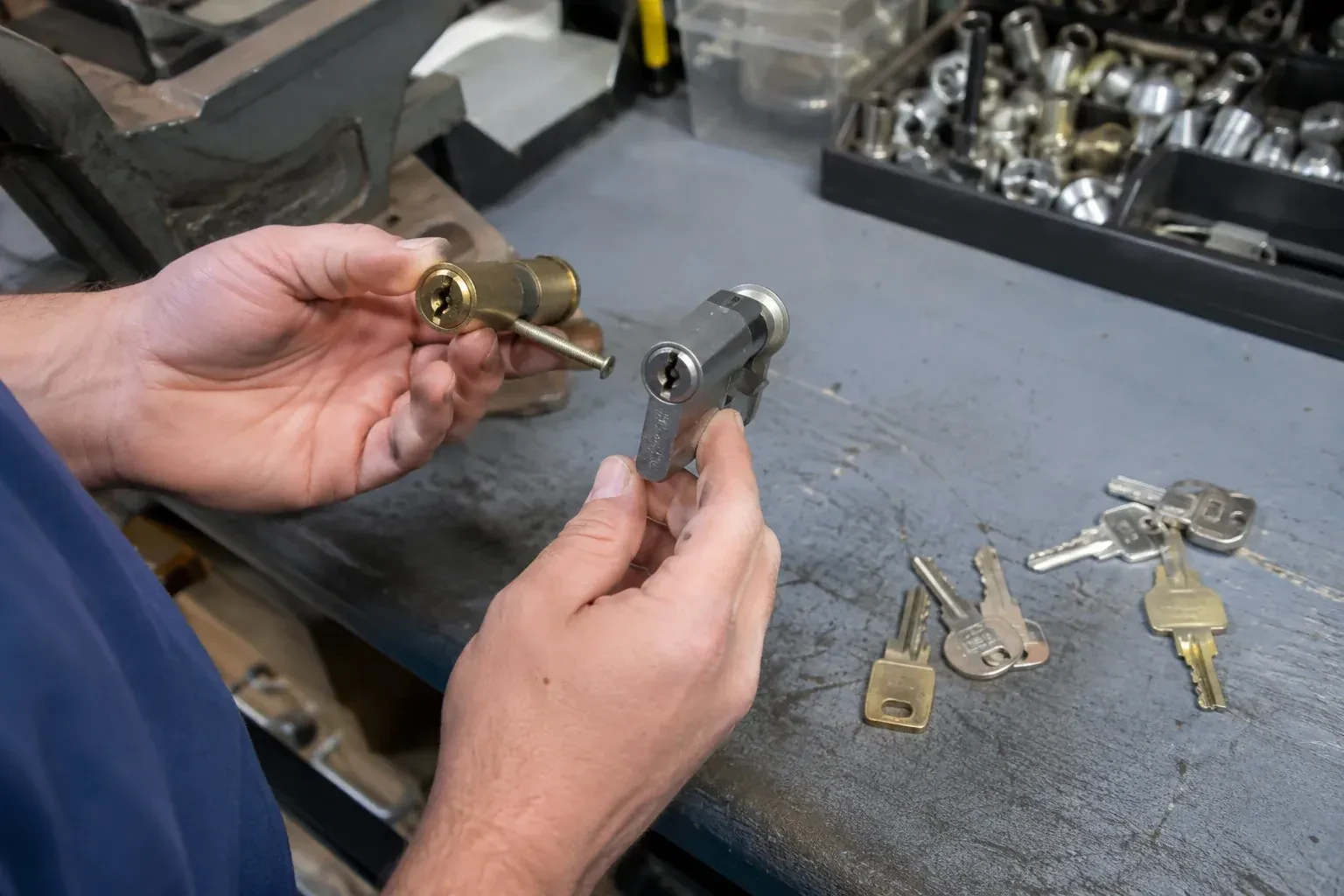
Every cylinder is tested on the bench against its assigned keys, then again once installed: the change key on its own door, the relevant sub-master across its whole group, and the top-level master across every door in the system. Any lock that responds to a key it should not is corrected before handover rather than left for the owner to discover later.
What happens to our records if we later work with a different provider?
That depends on the platform: the entry log and configuration can live on a local controller and its on-site software, which stay with the business regardless of who installed them, or on a cloud-managed subscription service, where continued access and data export follow that provider's own terms. It is worth confirming at the time of installation which arrangement applies, so the business knows what happens to its records if it later changes providers.
On-site assessment preferred
Request a visit
Call about rekeying your new home. Send a photo of the lock.
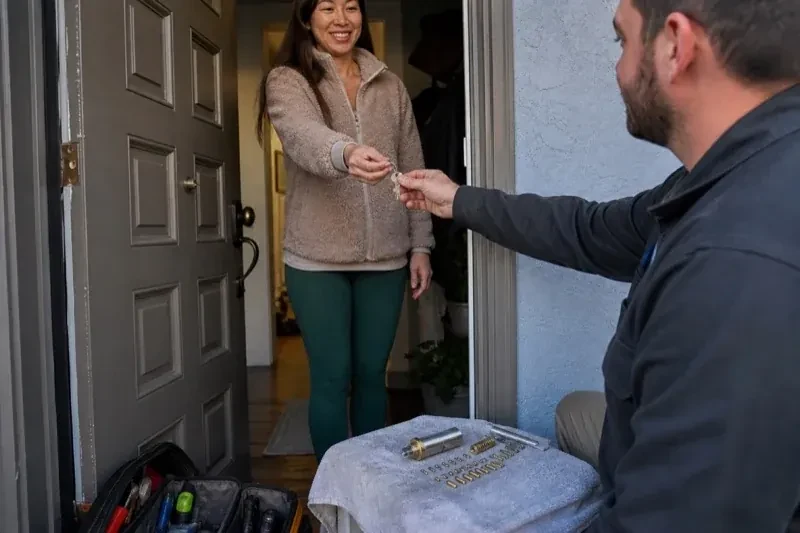 Lost Keys — Same-Visit RekeyThe keys fell out of a gym bag somewhere between the arena and the parking lot.
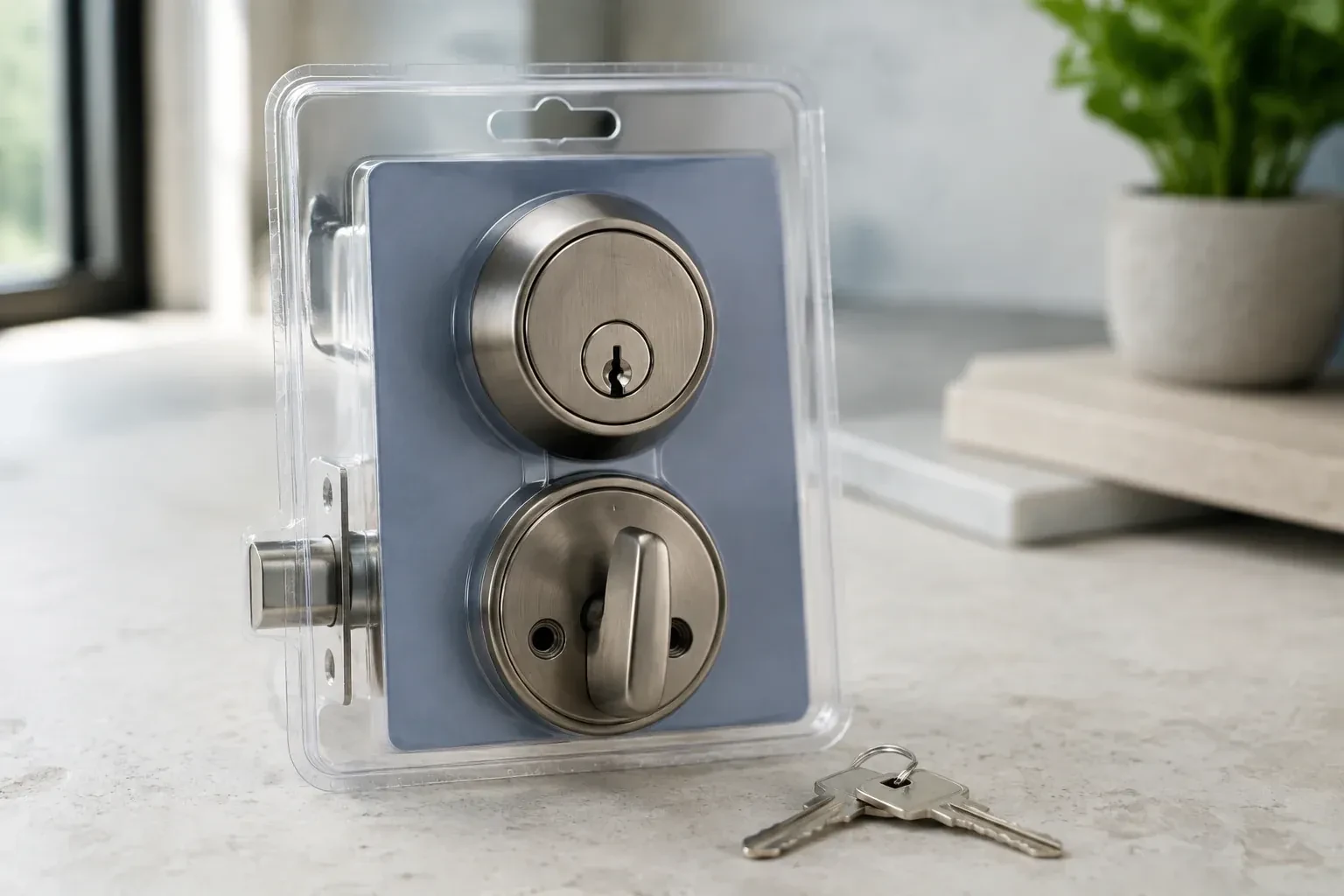 Lock RekeyingOne key for the front door, another for the back, a third for the side door into the garage, and a fourth for the shed.
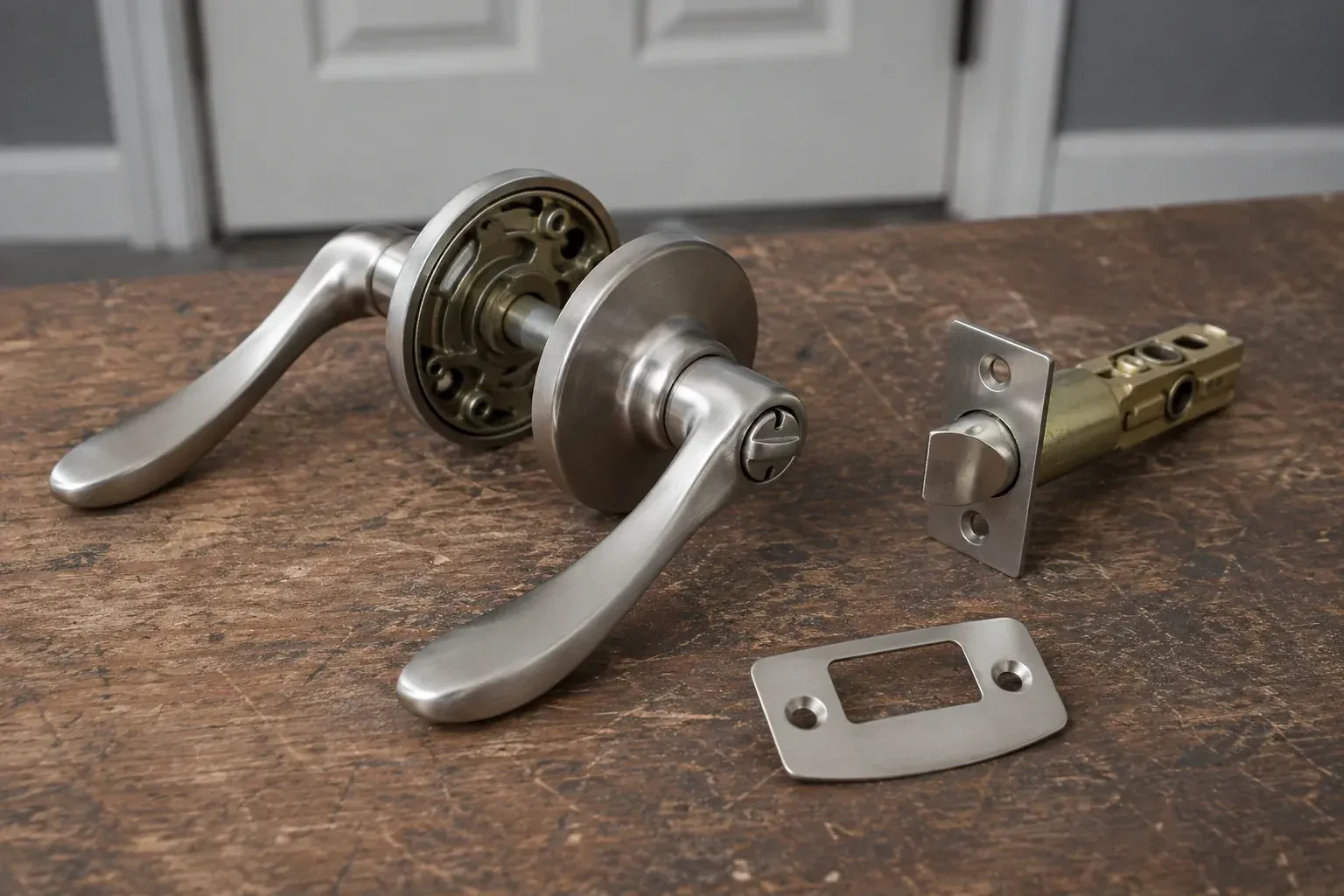 Lock Replacement & UpgradeThe century home's original mortise lock takes a key the size of a spoon, sticks in humid weather and has worn its strike to a…
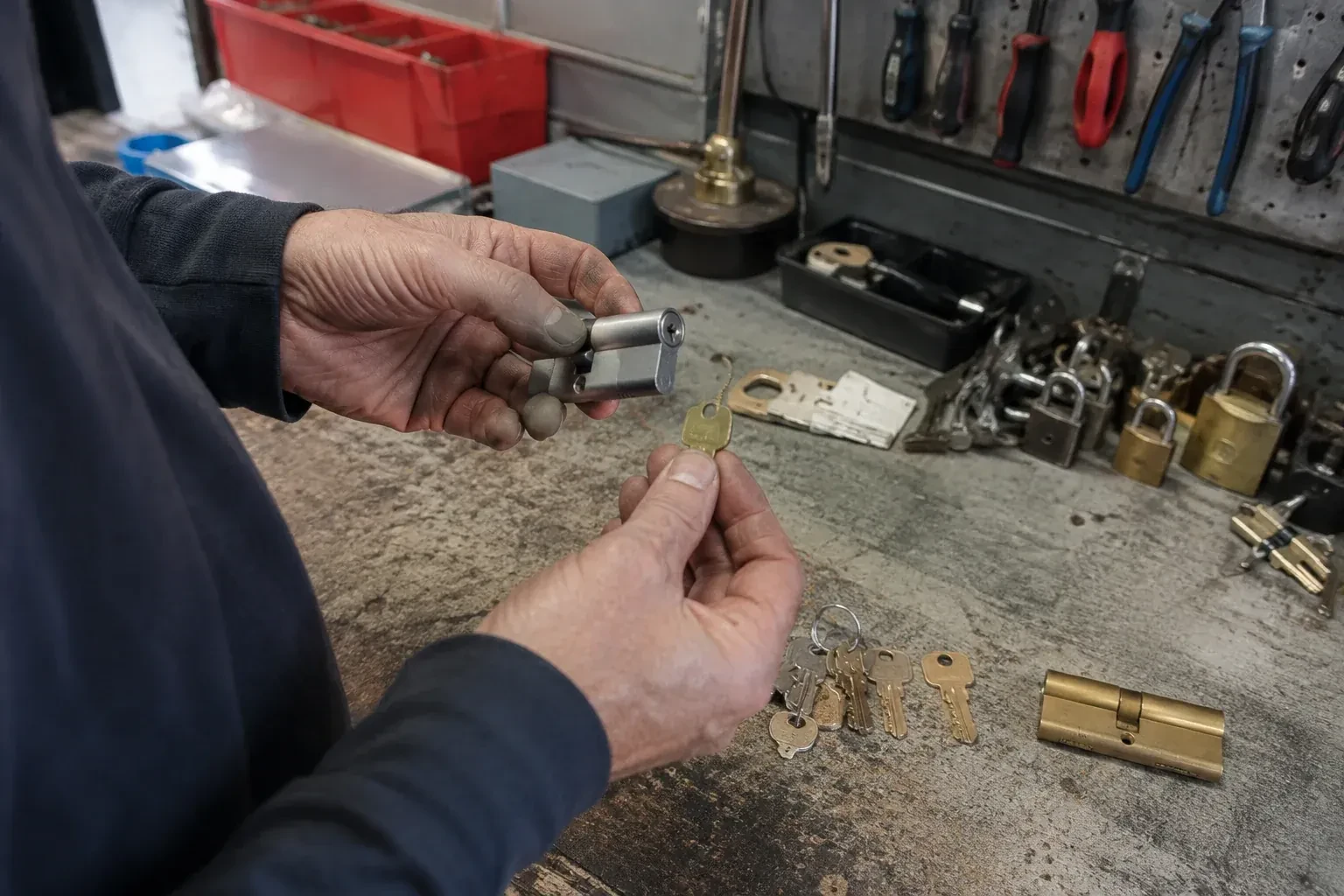 Master Key System DesignA dental office wants the front desk to lock up at night without ever holding a key to the room where patient records and…
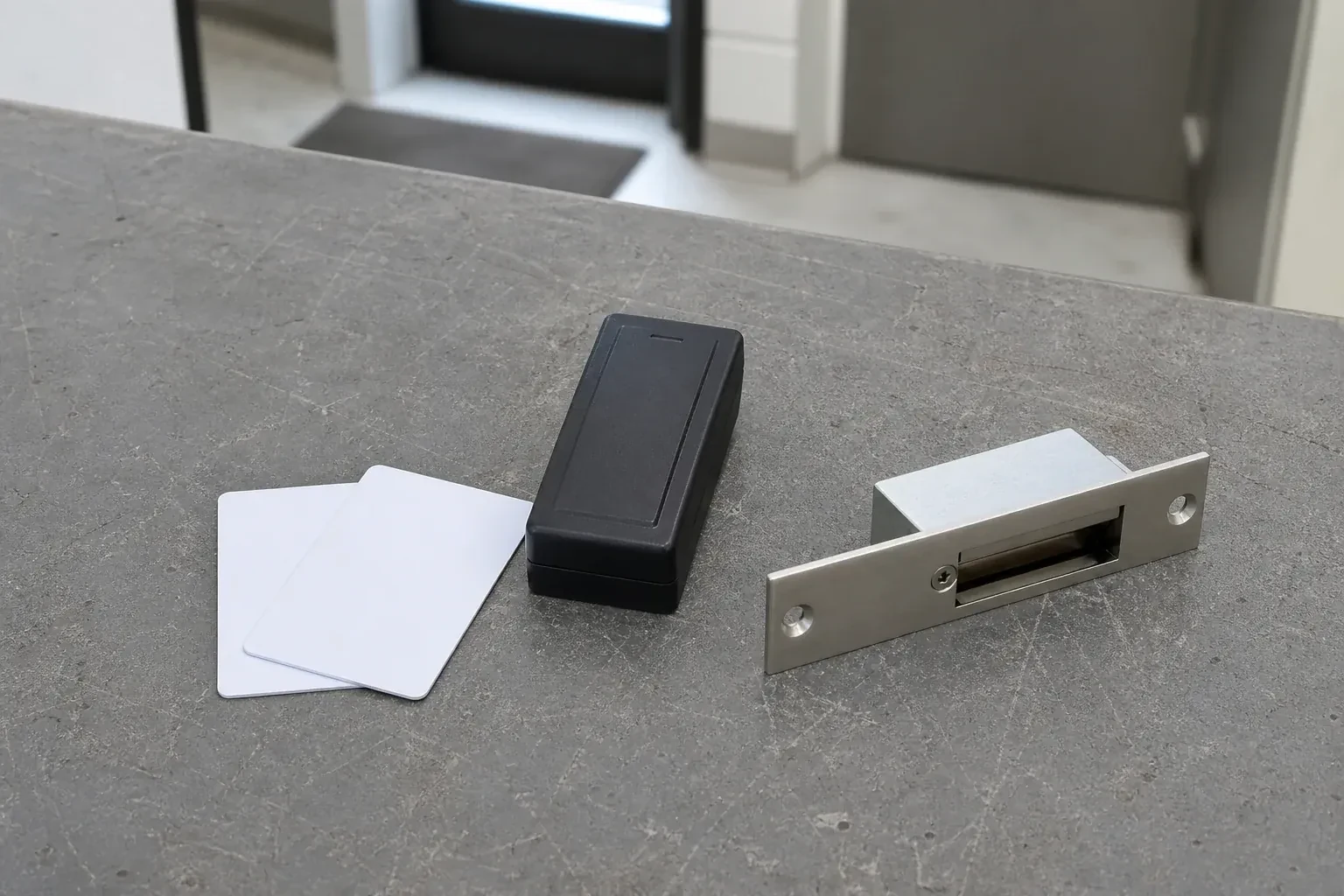 Access Control InstallationHead office wants a record of who opens the branch and when, tied to an actual name rather than a shared code scrawled on a…
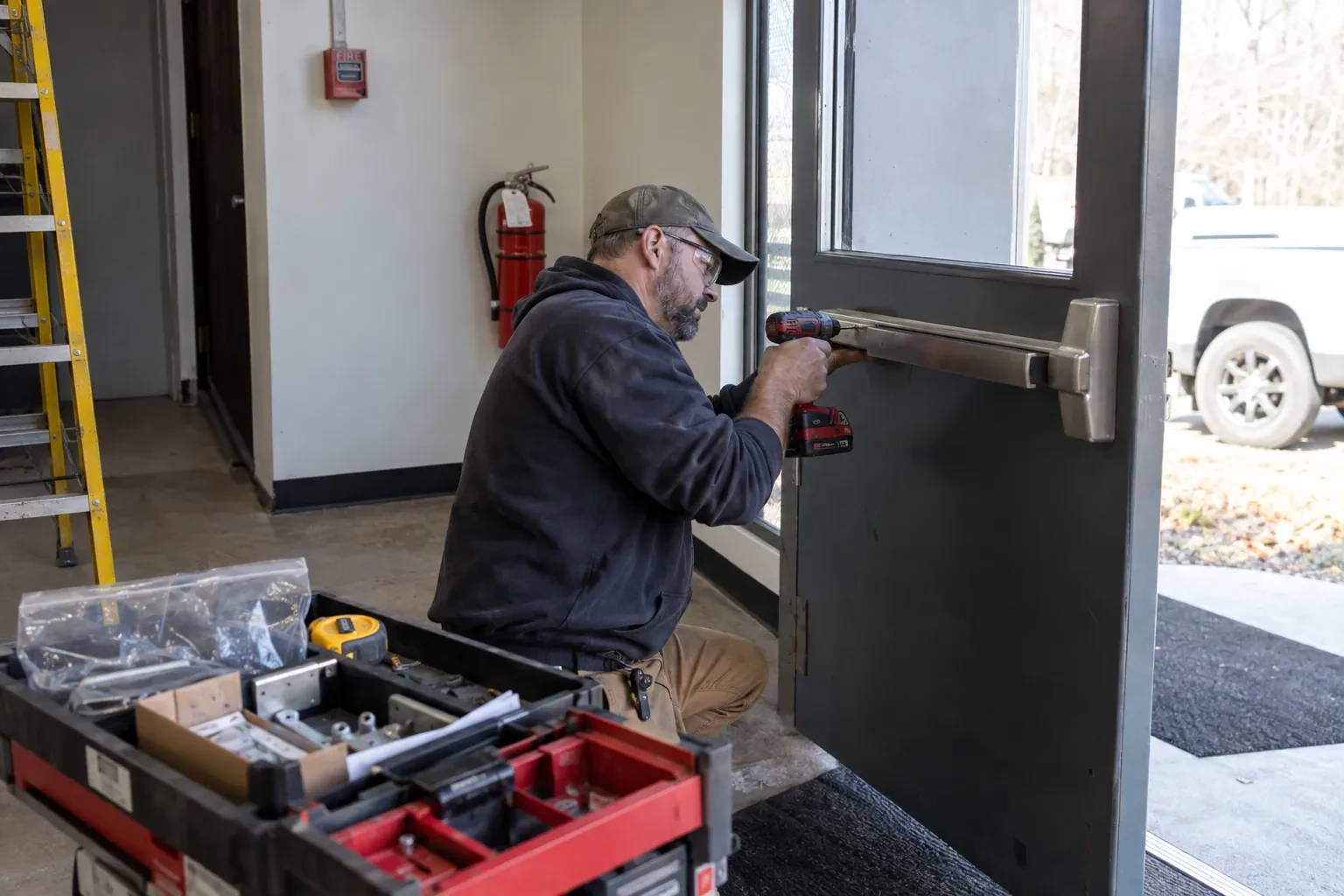
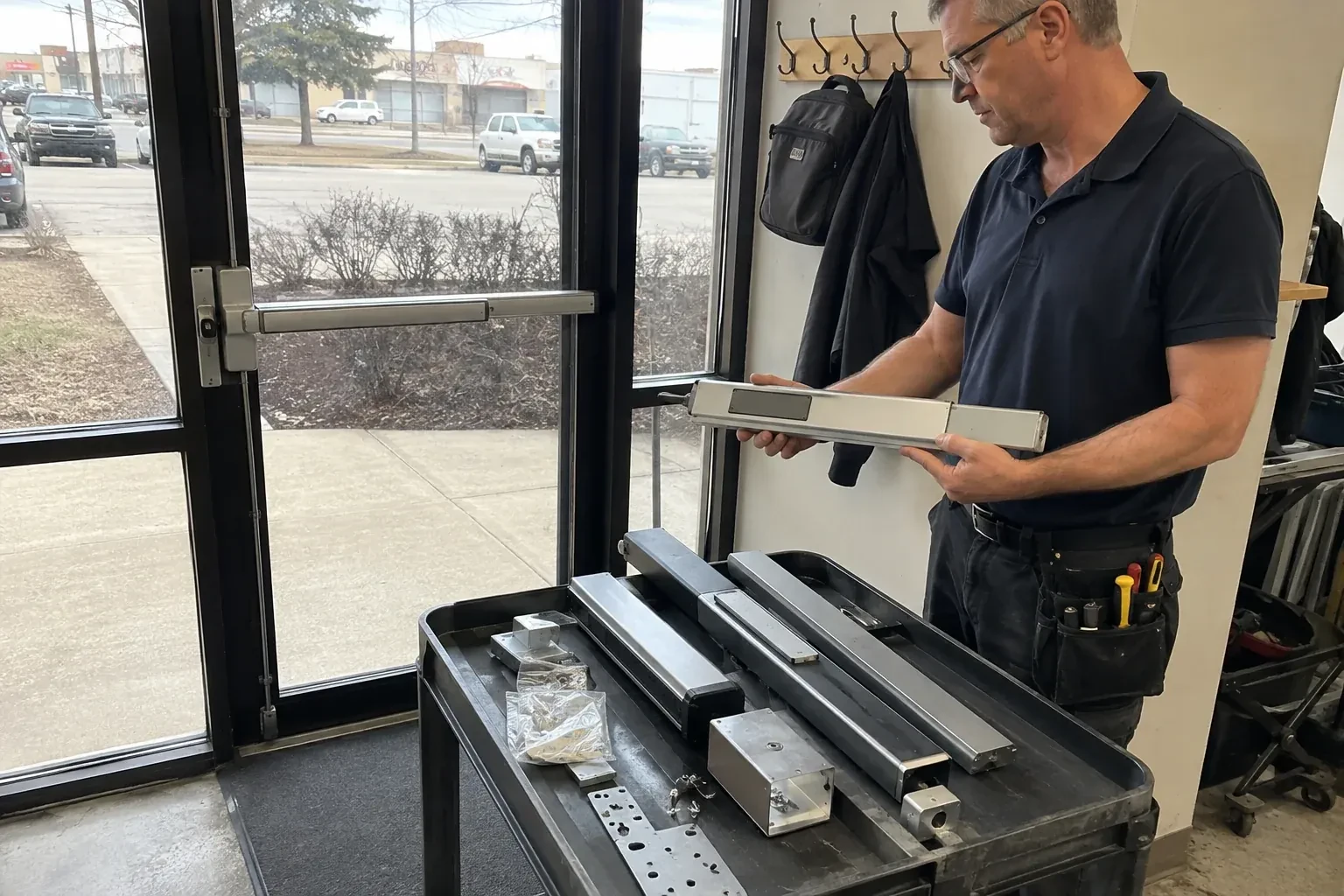 Panic & Exit HardwareTwo doors used to swing as a pair at the community hall entrance, but one leaf has started closing before the other, catching the…
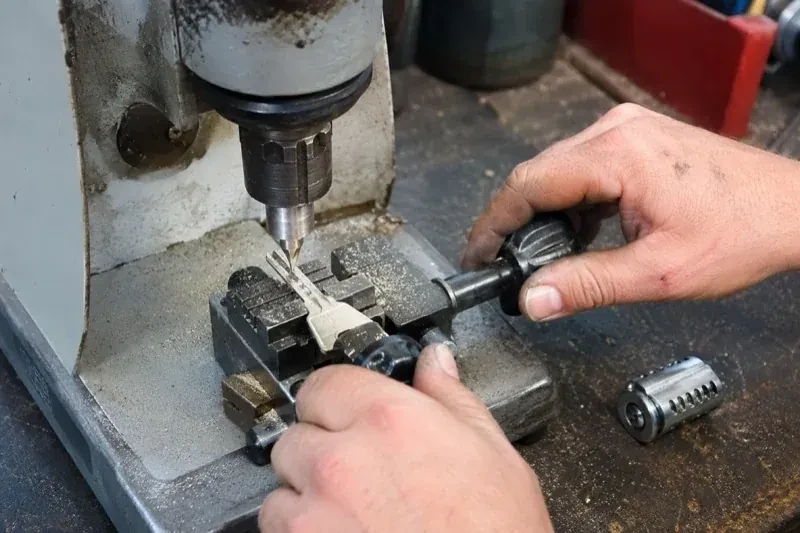 Car Key ReplacementYou bought the car privately and it came with a single key on a shoelace.
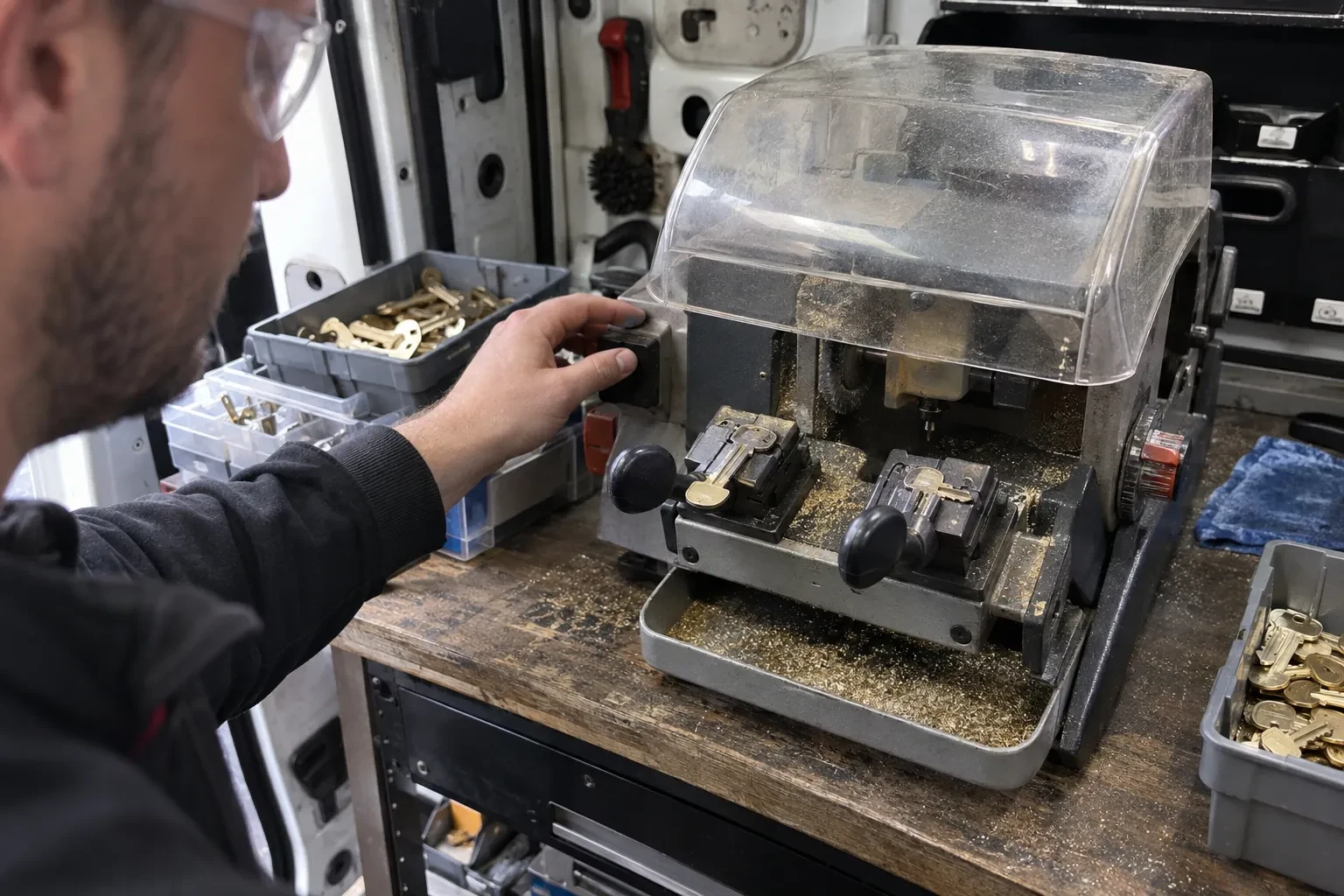 Spare Car Key DuplicationA car sits at the cottage all season, and the only key to it lives on a ring three hours away in the city.
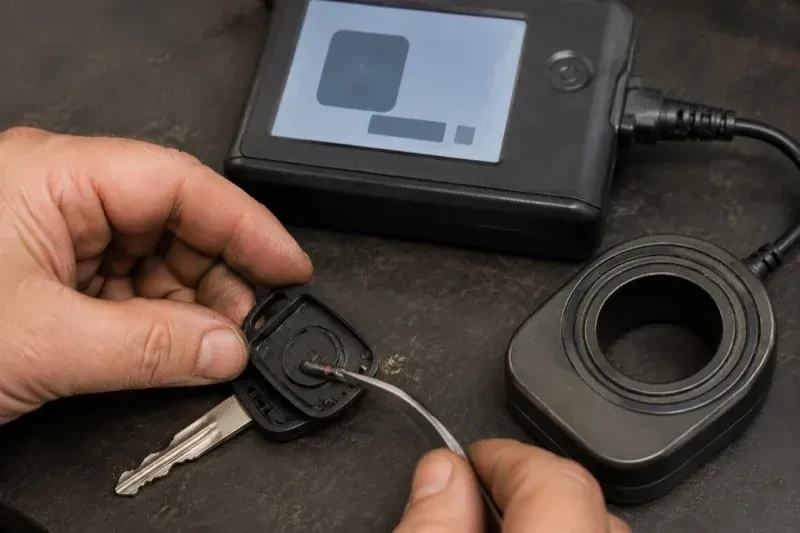 Transponder Key ProgrammingThe new key slides into the ignition and turns exactly the way the old one did, but the engine only cranks.